Namibia Sees Surge in Import Bill as Trade Deficit Doubles
Namibia's trade deficit has doubled to N$4.4 billion in April, driven primarily by a significant increase in petroleum imports. This surge in imports has put pressure on the country's trade balance, with the import bill rising substantially. The increase in petroleum imports is expected to have a ripple effect on various industries, including transportation, manufacturing, and construction, which rely heavily on fuel and petroleum products.
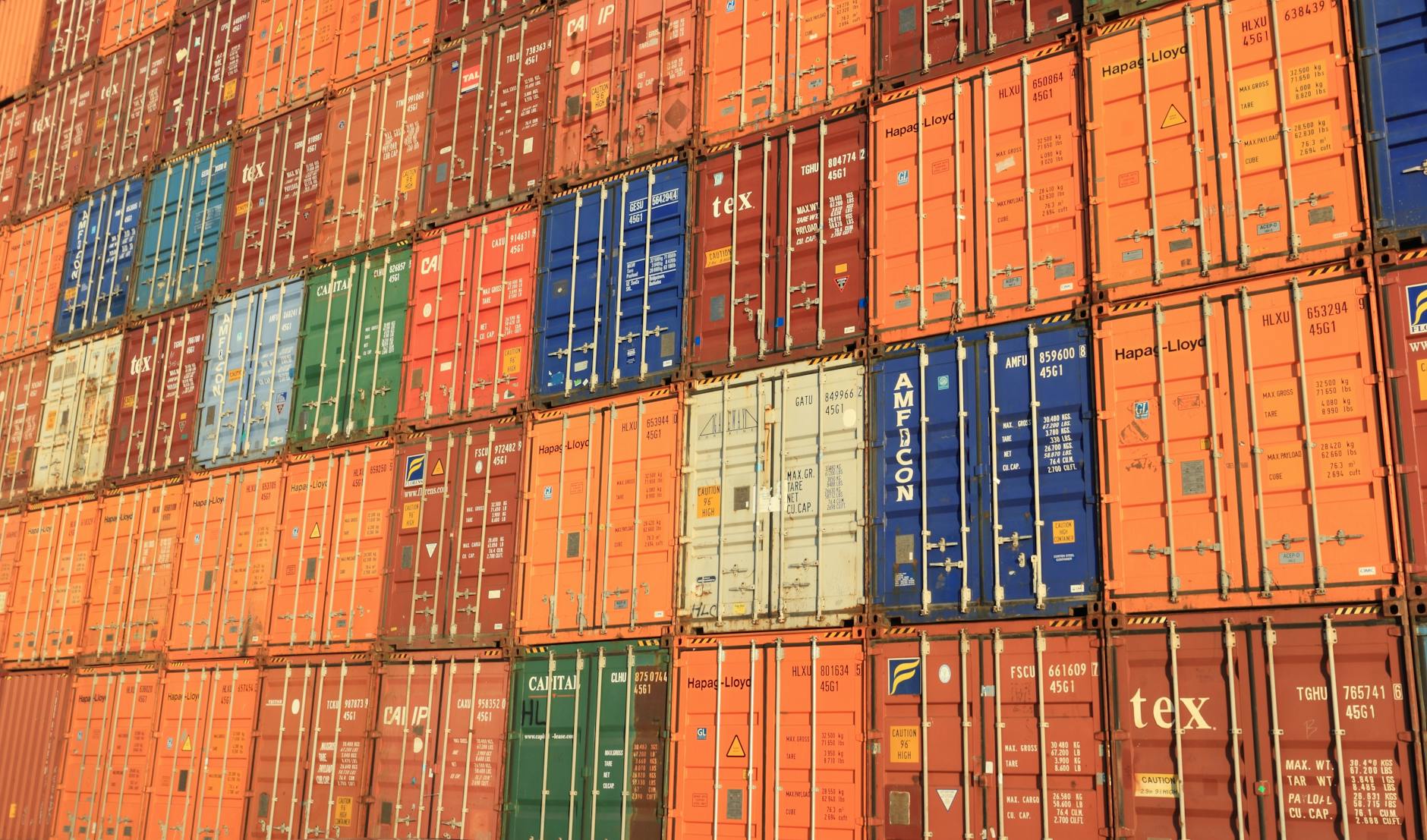
The surge in imports has also led to an increase in sea transport, with goods worth N$3.8 billion being transported in April. This increase in sea transport is likely to benefit logistics and shipping companies operating in Namibia. Additionally, the importation of food items worth N$2.9 billion in four months is expected to impact the local agricultural sector, potentially affecting the competitiveness of domestic farmers and food producers.
The doubling of the trade deficit to N$4.4 billion in April is a significant statistic, indicating a substantial increase in the country's reliance on imports. This trend may lead to increased competition for local businesses, particularly in the manufacturing and agricultural sectors, as imported goods flood the market. Companies in these sectors may need to reassess their strategies and adapt to the changing market dynamics to remain competitive.
The economic impact of the surge in imports is likely to be felt across various industries in Namibia, with some companies benefiting from the increased demand for logistics and transportation services, while others may struggle to compete with cheaper imported goods. As the trade deficit continues to widen, it is essential for businesses in Namibia to monitor the situation closely and adjust their strategies accordingly