Economic Implications of Middle East Conflict on Ethiopian Trade
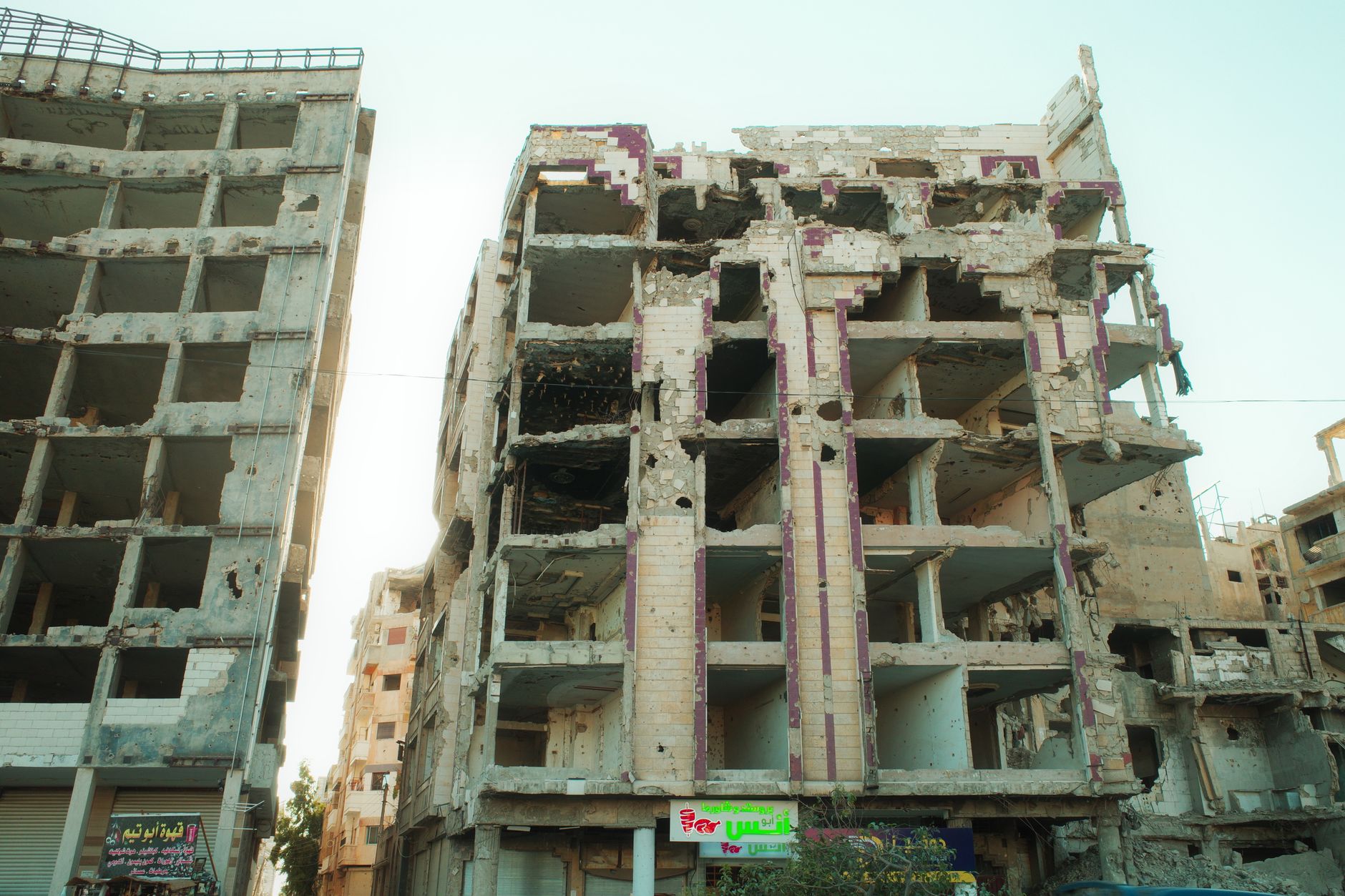
The recent escalation of violence in the Middle East, resulting in damage to 17 hospitals in Lebanon, may have far-reaching economic implications for Ethiopian businesses. As a major player in the global coffee and agricultural markets, Ethiopia's economy is closely tied to international trade. The conflict in the Middle East could potentially disrupt global supply chains, affecting Ethiopian exporters.
Ethiopia's economy has been growing rapidly in recent years, with a focus on increasing exports and attracting foreign investment. However, the country's reliance on international trade makes it vulnerable to global economic shocks. The damage to hospitals in Lebanon may seem unrelated to Ethiopian trade, but it is a symptom of a broader conflict that could have significant economic consequences.
According to the World Bank, Ethiopia's exports totaled $2.84 billion in 2020, with a significant portion going to European and Middle Eastern markets. Any disruption to global trade routes or instability in the region could impact Ethiopian exporters' ability to get their goods to market. This could be particularly problematic for the country's coffee and flower industries, which rely heavily on exports to European markets.
The conflict in the Middle East could also lead to increased shipping costs and delays, which would negatively impact Ethiopian businesses. Additionally, the conflict may lead to a decrease in foreign investment, as investors become more risk-averse in the face of global uncertainty.
As the situation in the Middle East continues to unfold, Ethiopian businesses will be closely watching the developments and their potential impact on the country's economy. With its growing economy and increasing integration into global trade, Ethiopia is likely to feel the effects of any significant disruption to international trade