US-Iran Deal Unblocks Strait of Hormuz, Easing Afghan Trade Routes
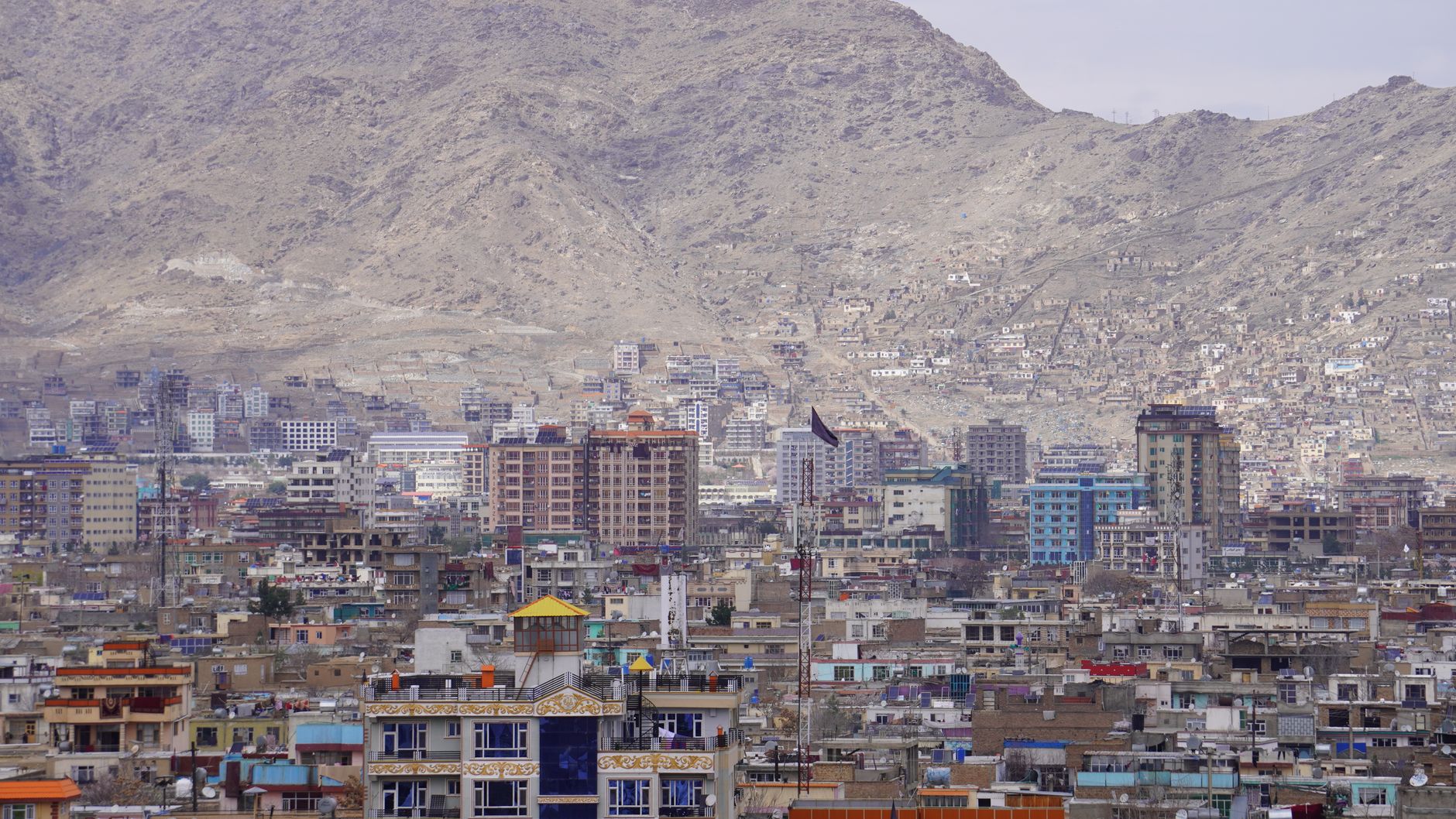
The removal of the US Navy blockade from the Strait of Hormuz, following a deal between the US and Iran, is set to have a positive impact on Afghanistan's trade routes. The Strait of Hormuz is a critical waterway for international oil shipments and a significant route for Afghanistan's imports and exports. With the blockade lifted, Afghan businesses can expect a reduction in shipping costs and increased efficiency in their supply chains.
The deal is also expected to boost Afghanistan's economy by increasing trade with Iran, a key trading partner. Iran is one of Afghanistan's largest trading partners, with bilateral trade valued at over $2 billion annually. The removal of sanctions and easing of trade restrictions will likely lead to an increase in trade volumes between the two countries.
According to the Afghan Chamber of Commerce and Industries, the country's trade deficit stood at around $7 billion in 2020, with a significant portion of imports coming from Iran. With the US-Iran deal in place, Afghan businesses may be able to negotiate better prices for imports, potentially reducing the trade deficit.
The lifting of the blockade will also have a positive impact on Afghanistan's air cargo industry, as airlines will be able to fly over Iranian airspace, reducing flight times and costs. This will make Afghan air cargo companies more competitive in the regional market, potentially leading to an increase in exports.
The US-Iran deal is a significant development for Afghan businesses, which have been impacted by the ongoing tensions between the two countries. As trade routes are unblocked and sanctions are eased, Afghan companies can expect increased opportunities for growth and expansion
