Samoa's Economy to Remain Resilient Amid Global Market Fluctuations
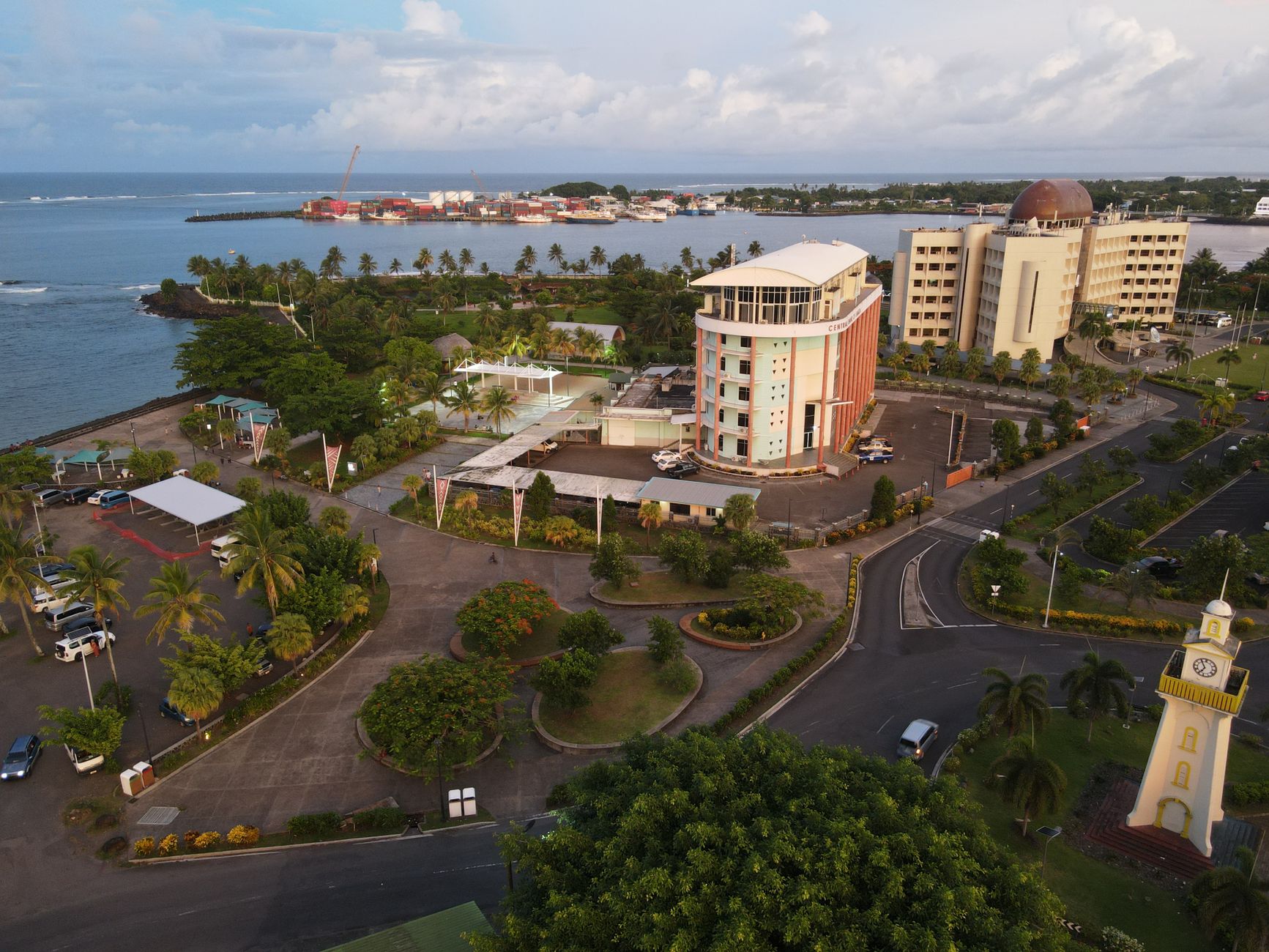
The recent Georgia Senate runoff results in the United States, which saw Mike Collins emerging as a victor, have had minimal direct impact on Samoa's economy. However, the outcome could have some indirect effects on the Pacific island nation through trade and investment.
Samoa is a significant player in the Pacific region's agricultural sector, with its economy heavily reliant on exports such as coconut oil, tuna, and nonu juice. The country's trade relationship with the US is relatively limited, but it is still an important market for Samoan exporters.
According to the World Bank, in 2022, the US accounted for around 2% of Samoa's total exports, valued at approximately $23 million. Despite this relatively small share, any changes in US trade policies or market trends could have a ripple effect on Samoa's economy.
The Georgia Senate runoff results may have implications for US trade policies, particularly with regard to the US-China trade relationship. A shift in the US Senate's composition could lead to changes in the country's stance on trade agreements, including the Comprehensive and Progressive Agreement for Trans-Pacific Partnership (CPTPP).
Samoa has been in negotiations to join the CPTPP, which could provide the country with greater access to the US market and other CPTPP member economies. However, the outcome of the Georgia Senate runoff is unlikely to have a significant impact on Samoa's trade negotiations with the US or other countries.
In the short term, Samoa's economy is expected to remain resilient, driven by the country's growing tourism sector and infrastructure development projects. The government has been actively promoting tourism and investing in infrastructure, including a new international airport and a major highway upgrade.
Overall, while the Georgia Senate runoff results may have some indirect implications for Samoa's economy, the country's economic fundamentals remain strong
